
 Español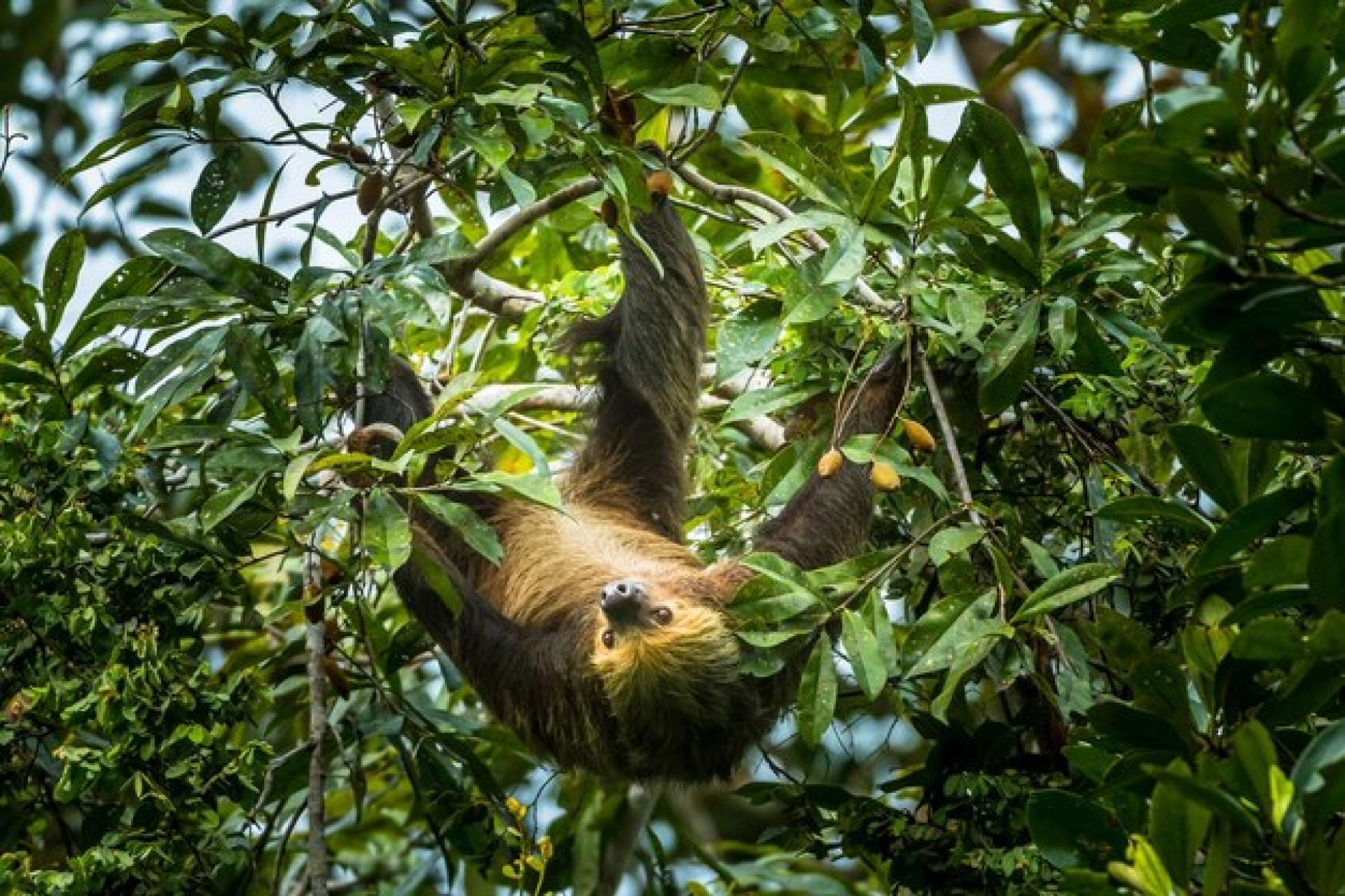
 Travel Blog Ecuador
Sloths in Cuyabeno
If there's one animal that tops every Cuyabeno visitor's wish list, it's undoubtedly the sloth. With their permanent smile, hypnotically slow movements, and peaceful nature, these canopy dwellers have become the undisputed stars of the Cuyabeno Wildlife Reserve.
At Green Forest Ecolodge, our native guides know every corner of the jungle and have trained eyes to spot these masters of camouflage. In this comprehensive article, we'll reveal all the secrets to maximize your chances of spotting sloths during your Amazon adventure.
The Two Sloth Species in Cuyabeno
Three-Toed Sloth (Bradypus variegatus)
The three-toed sloth is the most common in Cuyabeno Reserve and the one you'll most likely encounter during your visit.
Distinctive features:
Unique behavior:
- Extremely slow: moves at 0.24 km/h when active
- Spends 15-20 hours per day sleeping or resting
- Descends to the ground only once a week to defecate
- Excellent swimmer, despite its terrestrial slowness
Two-Toed Sloth (Choloepus hoffmanni)
Less common but equally fascinating, the two-toed sloth is more active and slightly larger.
Distinctive features:
Fun fact: Despite the name, both species have three toes on their hind feet. The difference is in the front feet.
If there's one animal that tops every Cuyabeno visitor's wish list, it's undoubtedly the sloth
Green Forest Ecolodge | Cuyabeno Ecuador


